
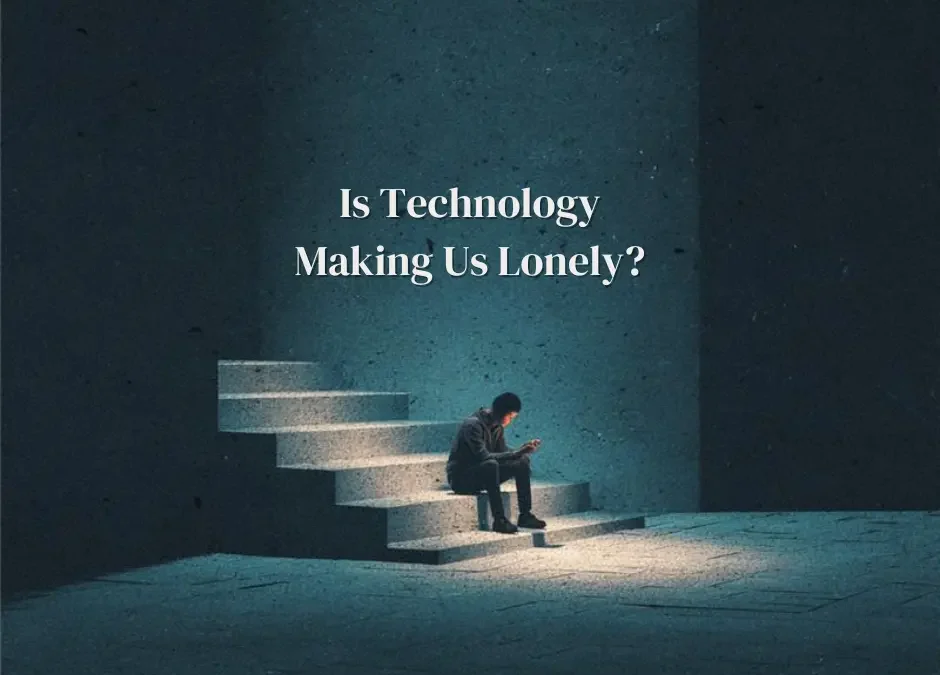
Technology connects us more than ever before, yet many people still feel alone. This paradox is sparking a growing debate: is our increasing screen time contributing to a loneliness epidemic? Or are we simply using the wrong tools the wrong way?
In this post, we explore some of the most frequently asked questions about technology and loneliness. Each section begins with a clear summary for quick reading, followed by a more detailed explanation to help you understand the deeper issues at play.
Does Technology Make People More Lonely?
Yes, technology can increase loneliness when it replaces meaningful in-person interaction.
While tech enables communication across time zones and continents, it often replaces richer, more personal forms of connection. Messaging apps and social media aren’t always enough to satisfy our deep human need for presence and emotional intimacy. When digital interaction crowds out face-to-face conversation, many people report feeling more isolated even when they’re constantly “connected.”

Is Social Media Making Us Feel Alone?
Yes, social media can contribute to loneliness, especially through social comparison and passive use.
Scrolling through highlight reels of other people’s lives can lead to feelings of inadequacy or exclusion. This is often amplified by algorithms that reward polished, curated content over authenticity. Passive browsing tends to heighten these effects, while active engagement (such as meaningful conversations or sharing honestly) can offer more positive outcomes. Unfortunately, most people fall into the passive category.
Can Technology Help Reduce Loneliness?
Yes, when used intentionally, technology can reduce loneliness by fostering connection and support.
Video calls, multiplayer games, and online communities can provide meaningful interaction and emotional support, especially for people who are isolated by geography, disability, or circumstance. Platforms like Reddit, Discord, or virtual therapy sessions allow people to form real bonds. The impact of technology on loneliness often depends not on what tool you use, but how and why you use it.

Why Does Technology Make Us Feel Disconnected?
Technology can make us feel disconnected because it lacks emotional depth and encourages multitasking.
Digital communication strips away physical cues like body language, eye contact, and tone. Meanwhile, constant notifications and the habit of multitasking make it hard to stay present in conversations. Even during real-life interactions, phone use can interrupt the emotional flow, leaving both parties feeling unheard or distracted. Over time, this reduces the sense of genuine connection.
How Much Screen Time is Linked to Loneliness?
Excessive screen time, especially over 3 to 4 hours a day, is linked to increased loneliness and mental health issues.
Teens and young adults who spend long periods in front of screens report higher rates of anxiety, depression, and social withdrawal. However, the type of screen time matters. Watching YouTube alone for hours differs from playing an interactive game with friends. Active engagement can be less harmful—or even beneficial—compared to passive scrolling or binge-watching.

Are Young People More Lonely Because of Technology?
Yes, young people are reporting higher loneliness levels, and digital overuse may be a factor.
Gen Z is the most connected generation in history, yet also the loneliest. The pressure to maintain a perfect online presence, the constant comparison to peers, and cyberbullying contribute to increased isolation. Digital reliance also limits the practice of face-to-face social skills, which further widens the gap between online “connection” and real emotional support.
Can Digital Detox Reduce Loneliness?
Yes, taking a break from screens can reduce loneliness by improving focus and real-life relationships.
Short- or long-term digital detoxes help reset your mind and re-engage you with your surroundings. Many people find that stepping away from constant notifications and curated feeds improves their mood and helps rebuild in-person connections. Intentional tech breaks can also lead to more mindful digital habits in the long run.
Conclusion: Does Technology Ultimately Make Us Lonely?
Technology can make us feel lonely or connected—it depends on how we use it.
There is no one-size-fits-all answer. When used mindlessly, tech can fragment our attention and erode relationships. But when used intentionally, it can empower people to connect, share, and support each other. Mindful usage is the bridge between digital convenience and emotional fulfillment.
FAQ: Quick Answers About Technology and Loneliness
Does social media make loneliness worse?
Yes, especially when it leads to comparison, exclusion, or passive use.
Can video calls reduce loneliness?
Yes, video calls offer visual and emotional engagement, helping people feel closer.
How does screen time affect mental health?
Too much screen time is linked to higher levels of depression, anxiety, and social withdrawal.